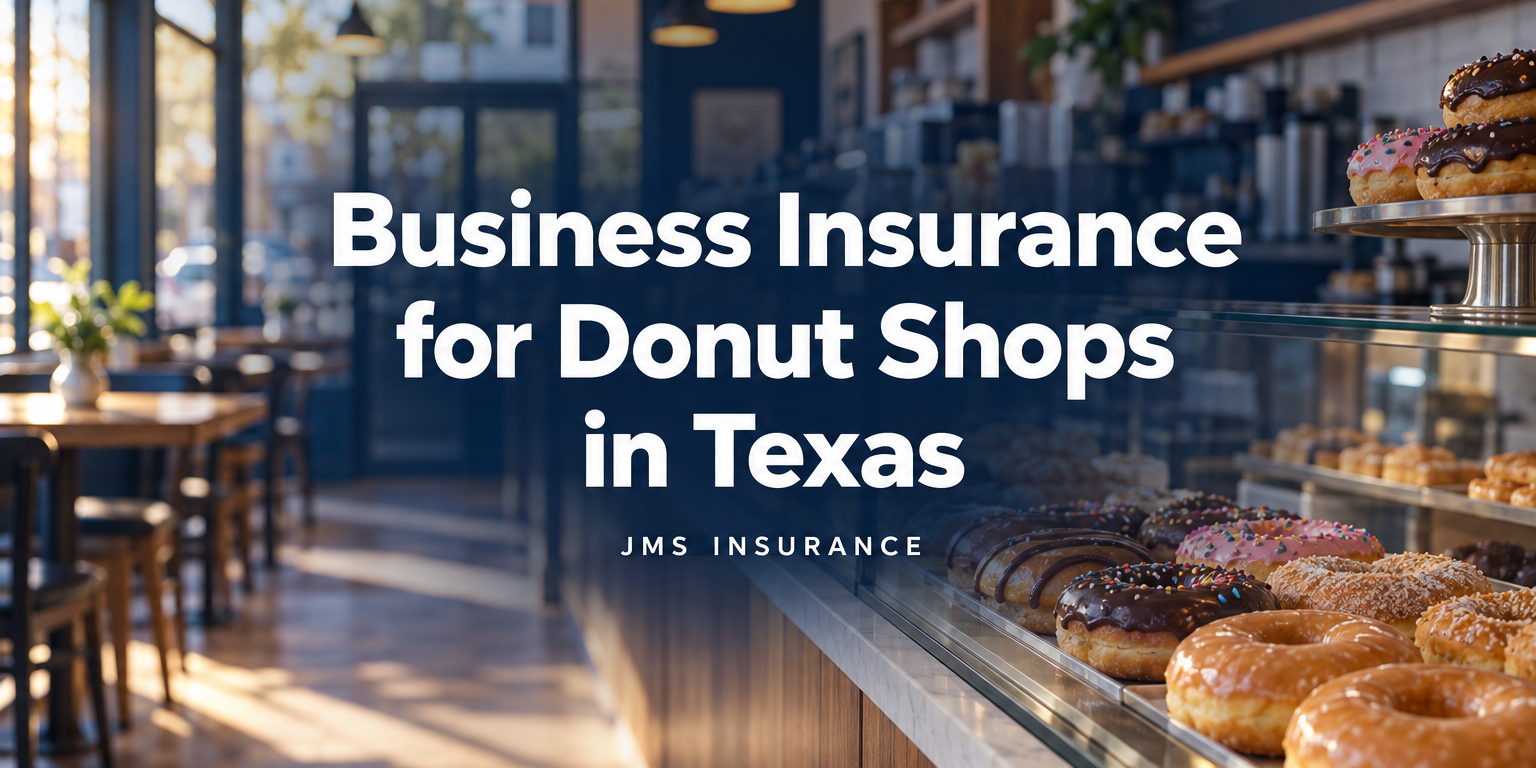
Business Insurance for Donut Shops in Texas
Protect your shop, your team, and the business you have worked hard to build—from the first batch of donuts to the last customer of the day.
Explore Your Coverage NeedsBehind Every Dozen Donuts Is a Business Worth Protecting
Before the sun comes up, your donut shop is already working. Dough is rising, coffee is brewing, and fresh donuts and kolaches are getting ready for the morning rush.
Behind that routine is an investment in equipment, ingredients, employees, and your reputation. A kitchen fire, customer injury, or unexpected shutdown can interrupt everything you have worked to build.
Business insurance for donut shops helps address the financial risks of running a food service business. For Texas donut shop owners, choosing coverage starts with understanding what could go wrong—and which policies may respond.
Whether you operate a neighborhood donut shop in Cypress, a breakfast spot in Stafford, or a growing bakery in the Houston area, your insurance review should reflect how your business actually operates.
What insurance does a donut shop need? Common starting points include general liability, commercial property, business interruption, and workers’ compensation. Equipment breakdown, food spoilage, and delivery exposures also deserve a closer look.
Every donut shop has different coverage needs. Explore our business insurance options to learn how JMS Insurance can help you protect your equipment, employees, and daily operations.
Four Important Coverages for Donut Shop Owners
Your kitchen, customer area, employees, and income each create different insurance considerations.
General Liability Insurance
A spilled coffee near the register or a wet entrance can create an injury risk. General liability insurance may help address covered claims involving customer bodily injury or damage to someone else’s property.
Discuss situations such as:
- A customer slipping near the display counter.
- A hot beverage spilling and causing a burn.
- A customer alleging an illness or allergic reaction after eating your food.
Ask about products-completed operations coverage and food-related exclusions. Costs to discard contaminated inventory or recall products should be reviewed separately.
Commercial Property Insurance
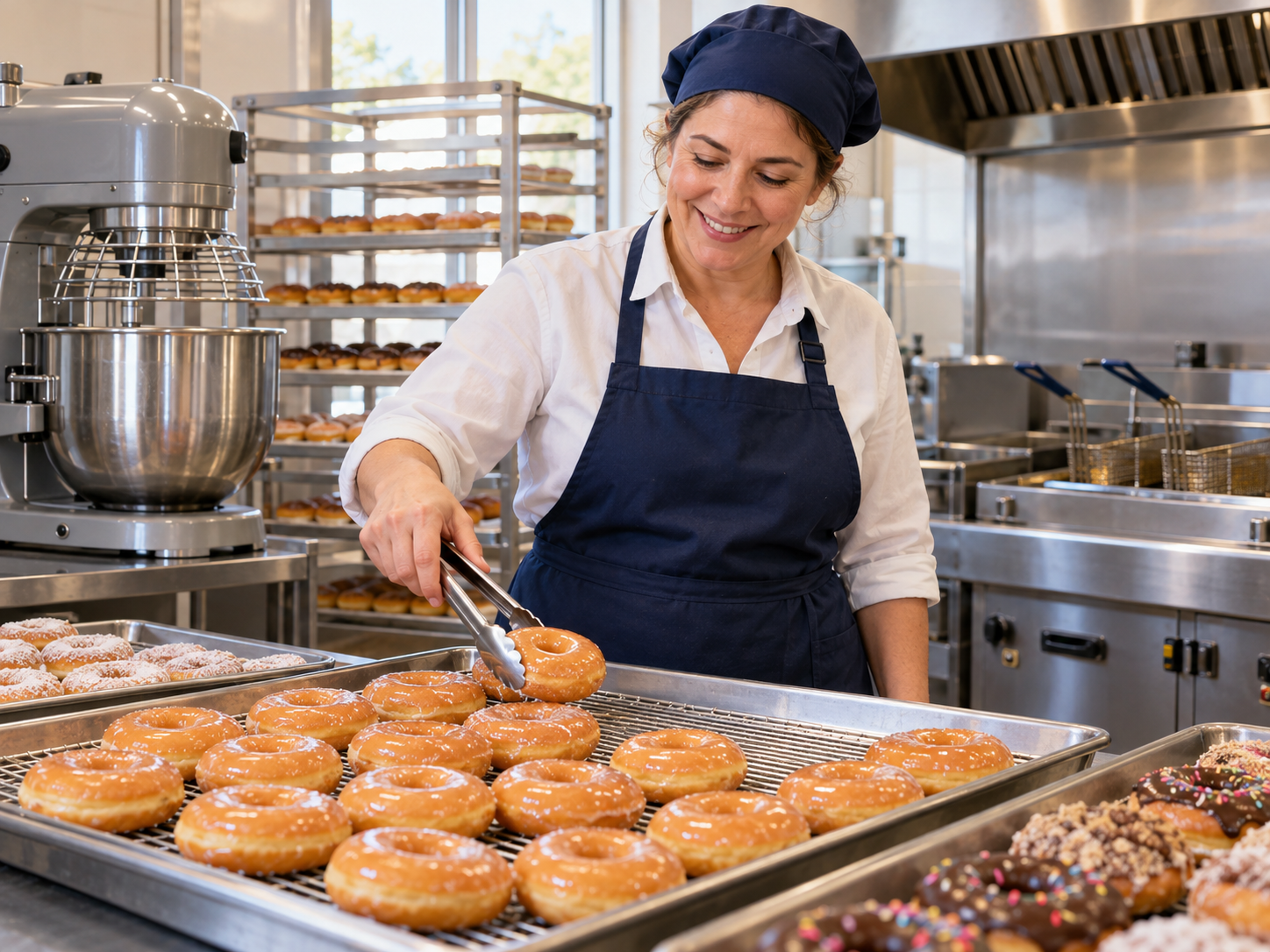
Fryers, ovens, mixers, proofers, refrigerators, display cases, and payment systems represent a significant investment. Commercial property insurance can help protect covered property against covered causes of loss.
Review equipment values, deductibles, replacement-cost provisions, inventory, and improvements to your space.
Leasing your storefront does not mean your landlord’s insurance protects your equipment or inventory. Clarify who insures the building, business property, and tenant improvements.
Standard commercial property coverage generally excludes flood damage. Houston-area owners should discuss flood protection separately.
Business Interruption Insurance
Repairing a damaged kitchen is only part of recovering from a loss. Your shop may miss sales while rent and other expenses continue.
Business interruption insurance, also called business income coverage, generally applies when covered physical loss or damage interrupts operations.
For example, a covered kitchen fire could require several weeks of repairs. Business income coverage may help address qualifying income losses during the shutdown.
It does not automatically cover every closure, power outage, or decline in sales. Ask about coverage triggers, waiting periods, limits, payroll, and the restoration period.
Workers’ Compensation Insurance
Donut shop employees work around hot oil, heavy ingredient bags, slippery floors, and moving equipment. Even an experienced team can have an accident.
Workers’ compensation provides benefits for qualifying work-related injuries and illnesses, including medical care and a portion of lost wages.
Most private employers in Texas can choose whether to carry workers’ compensation. However, opting out does not eliminate responsibility for employee injuries.
Employers without coverage may have notification and reporting duties and face different liability exposures. Discuss your staffing, employee duties, and any owner or family-member coverage questions with your agent.
Equipment Breakdown and Food Spoilage
What happens if your refrigeration stops working overnight? What if a fryer or mixer fails before a large order?
When reviewing donut shop equipment insurance, ask:
- Does the policy include equipment breakdown coverage?
- Which mechanical or electrical failures qualify?
- Is refrigerated inventory covered if it spoils?
- Are losses from an off-site power outage covered?
- Are there separate deductibles, waiting periods, or limits?
- Could a covered equipment failure trigger business income coverage?
These questions help distinguish damage to a machine from lost ingredients and interrupted sales. Discuss milk, eggs, cream fillings, meats, and other temperature-sensitive inventory specifically.
Can a Donut Shop Use a Business Owner’s Policy?
A business owner’s policy, often called a BOP, packages certain coverages together. It commonly combines property and general liability insurance and may include business income coverage. Eligibility and included protection vary by insurer.
The useful question is: Does this package fit how my shop actually operates?
Explain your cooking methods, sales, equipment, staffing, and delivery services. Ask what must be added separately and which exclusions could affect your business.
Delivery, Catering, and Larger Orders Can Change Your Needs
Delivering donuts to an office or supplying breakfast for an event can introduce risks beyond your storefront.
Tell your agent if your shop:
- Uses a business-owned vehicle.
- Has employees make deliveries in their own cars.
- Accepts orders through delivery platforms.
- Provides catering or off-site food service.
- Supplies other businesses with baked goods.
Ask whether you need commercial auto or hired and non-owned auto liability coverage. Review insurance requirements in catering agreements, delivery contracts, and wholesale arrangements.
If your shop accepts online orders or stores customer information, include payment systems and cyber risks in the conversation.
How Much Does Donut Shop Insurance Cost?
There is no single price that fits every donut shop in Texas. A small counter-service shop and a multi-location operation may need very different insurance programs.
For a meaningful quote, be ready to discuss your location, annual revenue, payroll, equipment values, cooking operations, delivery activities, and claims history. Your requested limits and deductibles also matter.
Compare the coverage along with the premium. Ask for a side-by-side explanation of deductibles, exclusions, and limits so you understand what each option provides.
Your Donut Shop Insurance Review Checklist
Before opening a new location or renewing your current insurance, gather these details.
- Your Lease Include your landlord’s insurance requirements and responsibilities for the space.
- An Equipment Inventory Record major kitchen equipment and estimated replacement costs.
- Sales and Payroll Information Include changes since your last insurance application.
- Your Complete Menu Explain frying, baking, and other food preparation.
- Delivery and Catering Details Describe vehicles, drivers, and any off-site work.
- Current Policies and Business Changes Bring declarations pages and endorsements, plus details about new equipment, expanded hours, or additional locations.
Make the review practical: Ask what would happen after a kitchen fire, customer injury, refrigeration failure, employee accident, or extended closure.
Donut Shop Insurance FAQs
Is donut shop insurance the same as bakery insurance?
The terms can overlap, but the business description alone does not determine coverage. Explain whether your shop fries food, serves hot meals, offers seating, delivers orders, or sells wholesale so the insurer can evaluate the actual operation.
Does my landlord’s insurance cover my donut shop?
Do not assume it covers your business property. Review protection for equipment, inventory, furniture, and improvements separately, along with the responsibilities in your lease.
Will insurance pay if my refrigerator fails?
Ask your agent to review equipment breakdown and spoilage coverage together. Whether a loss qualifies depends on the cause of failure, the coverage purchased, and applicable policy terms.
Do Texas donut shops need workers’ compensation?
Most private employers in Texas can choose whether to carry workers’ compensation. Choosing not to carry it does not remove employee injury risks and can involve additional responsibilities and liability exposures. Review your situation with your agent.
Should I update my insurance when I add delivery or another location?
Yes—contact your agent before the change begins. New locations, vehicles, services, and equipment should be reviewed so your insurance reflects your current operations.
You Handle the Morning Rush.
Let’s Talk About Protecting Your Business.
Your insurance review should start with how you run your donut shop—from early morning production to the last customer at the counter.
Operate a donut shop in Houston, Cypress, Stafford, Needville, or a surrounding Texas community? Contact JMS Insurance to discuss your equipment, employees, premises, and plans for growth.
Request a Business Insurance Review